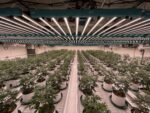
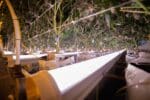
Commercial cannabis cultivation has become a game of efficiency. It’s no longer just about throwing more light at plants and hoping for heavier harvests. The growers getting the best results today are paying close attention to canopy management, airflow, and how light moves through the entire plant, not just the top colas.
That’s why more facilities are combining cannabis lollipopping with under-canopy lighting.
One helps plants stop wasting energy on weak growth. The other helps light reach the parts of the canopy that overhead fixtures miss. Together, they can improve flower consistency, boost usable yield, and help growers get more value out of every square foot.
And in an industry where margins are tighter than ever, those small optimizations matter.
What Is Cannabis Lollipopping?
Lollipopping is a pruning technique in which growers remove the lower growth on cannabis plants, including smaller branches, weak bud sites, and leaves that aren’t getting enough light to contribute much during the flowering stage.
The idea is pretty simple: instead of letting the plant spread energy everywhere, you redirect that energy toward the strongest, most productive flower sites.
After pruning, the plant ends up with a cleaner lower stem and fuller growth near the top, which is where the term “lollipopping” comes from.
For commercial growers, though, this isn’t about making plants look cleaner. It’s about improving efficiency across the room.
Why Lower Growth Often Hurts More Than It Helps
In dense commercial canopies, the upper layer of leaves blocks a huge amount of light before it ever reaches the bottom of the plant.
That lower growth still consumes energy and nutrients, but without enough light intensity, it usually turns into:
- Small airy buds
- Lower cannabinoid content
- Popcorn flower
- Humidity traps
- Extra trim labor
Most growers have seen it firsthand during harvest, beautiful tops and disappointing lowers.
Lollipopping helps clean that up.
Instead of wasting resources on bud sites that were never going to develop fully, the plant can focus on producing denser flowers where the light is strongest.
The Airflow Benefit Growers Sometimes Overlook
One of the biggest advantages of lollipopping has nothing to do with yield. It’s all about airflow.
Anyone running a commercial flower room knows how quickly dense lower growth can create stagnant, humid pockets beneath the canopy. That’s where issues like powdery mildew and botrytis like to show up.
Cleaning out the lower third of the plant helps air move more freely throughout the room and makes environmental control easier overall. This is especially important in high-density cultivation environments.
Where Under-Canopy Lighting Comes In
Even with strong overhead LEDs, there’s only so much light that can penetrate a mature cannabis canopy.
Once plants hit peak flower density, lower bud sites often sit in partial shade for most of the day.
That’s exactly why under-canopy lighting has become so popular in commercial cultivation.
Instead of relying entirely on top-down light, growers add supplemental fixtures beneath the canopy to push light into areas that normally get overlooked.
The goal isn’t necessarily to turn every lower branch into a top cola. It’s about improving the productivity and consistency of the entire plant. And when done correctly, it can make a noticeable difference.
Companies like BIOS Lighting have been helping commercial growers refine this strategy with LED systems designed specifically for modern cannabis cultivation environments.
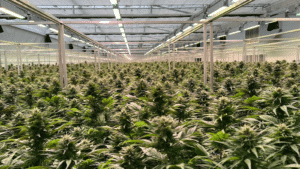
What Growers Typically Notice After Adding Under-Canopy Lighting
Every facility is different, but growers commonly report:
- Better lower flower development
- More uniform bud structure
- Less popcorn flower
- Improved canopy consistency
- Increased marketable biomass
- Better light distribution throughout the plant
In other words, more of the plant becomes worth harvesting. That’s a big deal commercially.
When you’re running multiple harvests a year, even modest improvements in usable flower weight can add up fast.
Bosky Genetics noticed a 20% yield increase by switching to under-canopy LEDs. In our blog, Third Harvest, Bigger Yields: How Bosky Genetics Scaled Production with BIOS Under Canopy Lighting, we break down how under canopy lighting improved their output.
Why These Two Strategies Work So Well Together
Some growers assume under-canopy lighting means they can skip pruning altogether. Usually, the opposite is true.
Under-canopy lighting works best when there’s a clean path for light and airflow beneath the canopy. If the lower half of the plant is overcrowded with unnecessary growth, a lot of that supplemental light gets wasted.
When growers strategically remove weak interior growth first, under-canopy fixtures can better reach the flower sites that actually matter.
The result is a cleaner canopy structure that allows:
- Better airflow
- More balanced light distribution
- Healthier lower flower development
- More efficient plant energy use
The two techniques complement each other naturally.
Best Practices for Lollipopping Cannabis Plants
There’s no single perfect method, but most commercial growers follow a few general rules.
Prune Before Plants Fully Set Into Flower
Most major pruning happens during late veg or within the first couple weeks of flower.
This gives plants time to recover before they focus heavily on bud production.
Remove Weak, Shaded Growth
Focus on the branches and bud sites that are unlikely to receive meaningful light later in flower.
If a branch is thin, buried, or heavily shaded early on, it usually won’t become premium flower later.
Don’t Overdo It
Over-pruning can stress plants unnecessarily. The goal is to improve efficiency, not strip plants bare. A healthy balance matters.

Best Practices for Under-Canopy Lighting
Under-canopy lighting is most effective when it’s treated as part of an overall canopy strategy, not just an add-on.
Focus on Coverage, Not Just Intensity
Uniformity matters more than blasting the underside of plants with excessive light. The goal is balanced distribution throughout the canopy.
Watch Environmental Changes
Adding lower lighting can influence:
- Leaf surface temperatures
- Transpiration
- Humidity levels
- Irrigation demand
Good environmental monitoring becomes even more important after implementation.
Think About Workflow
Commercial facilities also need to consider:
- Fixture accessibility
- Cleaning procedures
- Irrigation systems
- Harvest workflow
Lighting should improve efficiency, not create obstacles for cultivation teams.
Why Canopy Optimization Matters More Than Ever
As the cannabis industry matures, growers are under more pressure to maximize output without constantly expanding facilities or increasing operating costs. That’s why smarter canopy management is becoming such a major focus.
Lollipopping and under-canopy lighting both help growers get more productivity from existing space by improving how plants use light and energy.
Instead of simply growing bigger plants, the focus shifts toward growing more efficient plants.
That mindset often leads to:
- Better flower consistency
- Higher-quality harvests
- More usable biomass
- Improved labor efficiency
- Better long-term ROI
Final Thoughts
The best commercial cultivation strategies are usually the ones that improve multiple parts of the grow at the same time.
Lollipopping helps clean up the canopy, improve airflow, and eliminate wasted growth. Under-canopy lighting helps make better use of the flower sites that remain.
Together, they create a more balanced, efficient cultivation environment that supports stronger overall plant performance.
For commercial growers trying to improve canopy consistency, reduce lower-canopy waste, and maximize harvest potential, these strategies are quickly becoming part of the modern standard.
If you’re exploring under-canopy lighting options or looking to optimize your facility’s light distribution strategy, BIOS Lighting can help create a lighting plan tailored to your canopy structure, cultivation style, and production goals.
FAQs
What is cannabis lollipopping?
Cannabis lollipopping is a pruning technique where growers remove lower branches and weak growth so plants can focus energy on stronger flower sites higher in the canopy.
Does lollipopping increase yield?
It can improve overall flower quality and increase usable, marketable yield by reducing energy wasted on underdeveloped lower buds.
What is under-canopy lighting?
Under-canopy lighting uses supplemental grow lights placed beneath the canopy to improve light penetration and support lower flower development.
Is under-canopy lighting worth it?
For many commercial growers, under-canopy lighting improves canopy uniformity and increases usable flower production, which can help improve ROI over time.
When should cannabis plants be lollipopped?
Most growers prune during late veg or within the first two to three weeks of flower.
Can under-canopy lighting replace overhead LEDs?
No. It works best as supplemental lighting alongside primary top-lighting systems.
Does under-canopy lighting help reduce popcorn buds?
It can help improve lower flower development, which may reduce the amount of small underdeveloped flower produced during harvest.
Why do growers combine lollipopping and under-canopy lighting?
Lollipopping clears unnecessary growth while under-canopy lighting improves light access to productive lower flower sites, making both strategies more effective together.